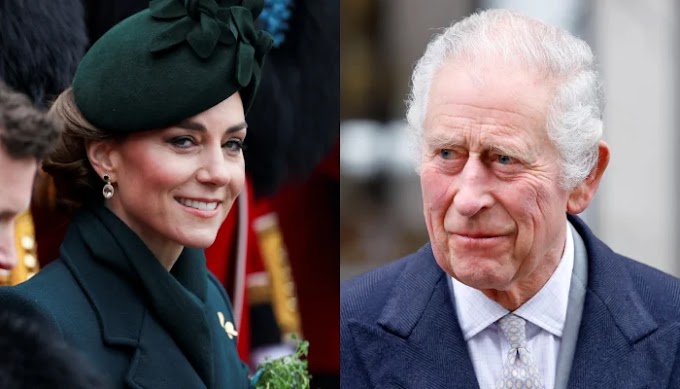
Questions grow around the future of the historic royal title and whether it will return to the Crown
Speculation has grown about the future of the Duke of York title following the downfall of Andrew, the second son of the late Queen. The royal figure stepped away from the role in October last year after intense scrutiny over his links to the late American financier Jeffrey Epstein.
After the controversy escalated, Andrew was stripped of his prince title and later asked to leave Royal Lodge in Windsor by King Charles III. More recently, reports have claimed he was arrested on suspicion of misconduct in public office, adding to the ongoing scrutiny surrounding his public life.
With the once-prominent royal now facing continued investigation, many royal watchers have started asking an obvious question: who will eventually inherit the Duke of York title?
The title has long been one of the most recognised dukedoms within the royal family. Historically, it is granted by the monarch and traditionally passed down through male heirs. Andrew, however, has no sons and is the father of two daughters.
Because the dukedom follows the male line, the title cannot pass directly to his children. Instead, when Andrew dies, the title would return to the Crown.
This pattern is not unusual in royal history. Several Dukes of York have died without male heirs, meaning the title reverted to the monarch before being granted again to another royal family member.
The title also carries a notable legacy. Both George V and George VI held the title of Duke of York before later becoming kings, adding prestige to the role.
Still, some royal fans believe the title carries an unusual history, often described online as a “curse,” since several holders either became monarchs unexpectedly or died without sons to inherit it.
Because of that history, some observers believe the title may remain unused for a time rather than being immediately granted to a member of the current royal generation.
For now, the future of the Duke of York title remains uncertain, leaving the decision entirely in the hands of the reigning monarch.