Royal experts say stepping aside is legally possible, but far more complicated than it sounds
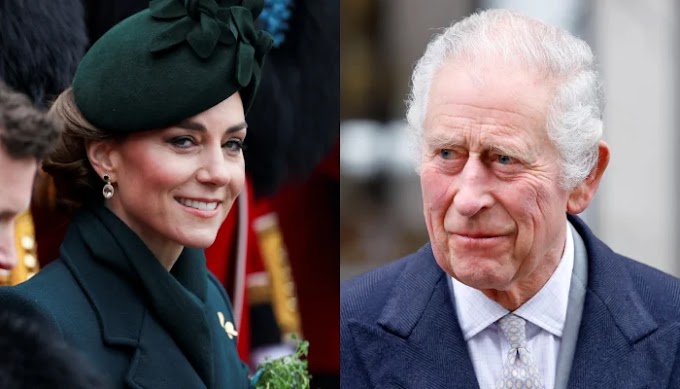
Questions about whether King Charles III could one day abdicate in favour of Prince William have resurfaced, with royal commentators weighing in on what would actually need to happen for such a move to take place.
Despite Charles being widely praised for his efforts to modernise the monarchy, renewed debate has been sparked by the fallout surrounding Jeffrey Epstein and its long shadow over the royal family. The discussion intensified after royal biographer Andrew Lownie released his book The Rise and Fall of the House of York, in which he suggested abdication might be the only realistic path forward.
The issue gained further traction after royal commentator Dan Wootton shared the results of a YouTube poll on his channel Dan Wootton Outspoken. The poll showed strong public support for William, with roughly 77 percent backing him compared to 23 percent for Charles, when asked whether the King should step aside because of the Andrew and Epstein controversy.
To unpack what abdication would actually involve, Wootton invited royal historian Rafe Heydel-Mankoo onto the show. His explanation made one thing clear. This is not a simple or quick process.
According to Heydel-Mankoo, there is no clear way to know what conversations, if any, are taking place between the King and the Prime Minister of the United Kingdom. Constitutionally, the final decision to abdicate would rest with Charles alone. Only in extreme circumstances such as serious illness, incapacity, or a truly extraordinary scandal could external pressure realistically be applied. He stressed that none of those conditions currently apply.
While monarchs usually act on the advice of the Prime Minister, abdication is different. In this case, the monarch acts on their own authority by signing an Instrument of Abdication. Once signed, the King would privately inform the Prime Minister, after which Parliament would need to pass legislation to make it legally binding.
Heydel-Mankoo pointed out that abdication is rare in British history, with the modern precedent dating back to Edward VIII. Ironically, Britain is now one of the few monarchies where abdication is still seen as highly unusual, even as it has become common elsewhere, including within the papacy under Pope Benedict XVI.
The biggest complication, however, lies beyond the UK. The British monarch is also head of state for 15 other Commonwealth realms. Any abdication would require agreement or parallel legislation from countries such as Canada, Australia, New Zealand, and Jamaica. That process could reopen debates about whether those nations want to remain monarchies at all.
Heydel-Mankoo described abdication as having “huge constitutional and international consequences,” also involving Parliament and the Church of England. In short, while abdication is legally possible, it would be a lengthy, politically sensitive process with global implications.
For now, experts agree on one point. If abdication were ever to happen, it would ultimately be King Charles’s decision and his alone.