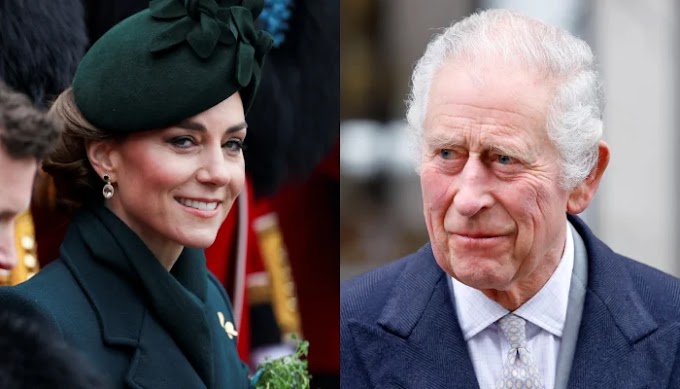
A former royal protection officer shares a candid look at the stark difference in attitude, behaviour, and workplace culture between the two brothers
A former royal protection officer has offered a rare, behind-the-scenes account of what it is truly like working for King Charles compared to his younger brother, Prince Andrew. His reflections come at a time when renewed scrutiny surrounds Andrew’s conduct and past associations.
Having spent years serving within the royal household, the ex-officer described the experience overall as both “surreal” and “fun,” even if the pay was relatively modest and the food fairly ordinary. Despite the grandeur often associated with royal life, he explained that much of the work felt surprisingly normal.
“You’re essentially working in an office,” he said, noting that the only real difference was the presence of priceless artwork on the walls.
When speaking about King Charles, the former staffer painted a largely positive picture. He described him as “good to work for” and “fair,” even though the role often required long hours, particularly during his time as heir to the throne. The impression given is of a disciplined employer who expects commitment but treats staff with respect.
In contrast, his assessment of Prince Andrew was far less flattering. He characterised him in just two words: “arrogant” and “entitled,” suggesting a more difficult and less considerate working environment.
These views echo comments made by Dai Davies, a former head of Scotland Yard’s Royal Protection Command, who also drew a clear distinction between members of the royal family. While he recalled positive interactions with others, including King Charles, whom he described as polite and civil, his experience with Andrew was notably negative.
Davies did not hold back, calling the Duke “boorish and ignorant,” reinforcing a pattern of criticism that has followed Andrew in recent years.
The renewed attention on these accounts comes amid ongoing public interest in Andrew’s past controversies, including allegations about his treatment of staff and his widely reported links to Jeffrey Epstein, which have continued to cast a long shadow over his public image.
Taken together, these insider perspectives offer a glimpse into two very different leadership styles within the same family, shaping not only workplace atmosphere but also the experiences of those who serve behind palace doors.