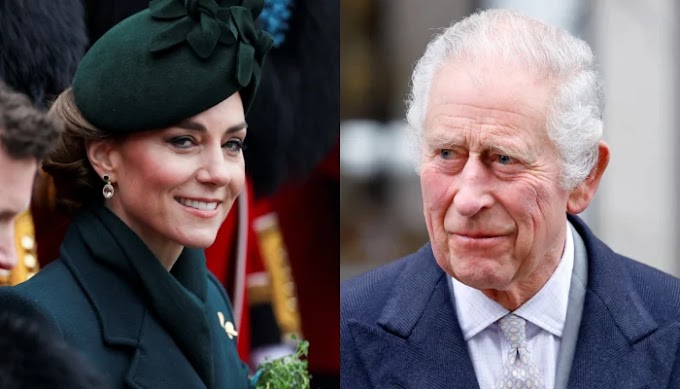
King Charles III has called on delegates at the COP31 World Leaders’ Summit to take urgent, practical steps to address climate change, warning that future generations will judge today’s leaders by their actions.
Buckingham Palace released his message on Wednesday as delegates gathered in Antalya, Turkey. Negotiators from nearly 200 countries are seeking an agreement on a Turkish proposal to expand electricity’s share of global energy use and restart stalled efforts to move away from fossil fuels.
Earlier in the day, UN Secretary-General Antonio Guterres warned world leaders that the international community’s slow response to climate change had put the world on a path to destruction. He said rapid action was needed to prevent that outcome.
Charles opened his message by offering delegates his warm wishes and encouragement. He thanked President Erdoğan, the Turkish government and the people of Türkiye for hosting the gathering, while recognising Australia’s role as President of Negotiations.
The King pointed to the severe heat, floods, droughts, wildfires and storms already affecting communities worldwide. Recent disasters, he said, had made clear that climate change was a growing reality rather than a distant concern.
He also highlighted disruption in fossil fuel markets, saying it underlined the need for more secure and resilient energy supplies through renewables. In food production, he called for less reliance on chemical fertilisers through regenerative agriculture and agroforestry systems.
Reflecting on more than five decades of raising concerns about climate change and the destruction of nature, Charles stressed that these connected threats affect both livelihoods and communities.
“Every fraction of a degree matters,” he said, welcoming the summit presidency’s focus on putting existing commitments into practice.
He identified the removal of unnecessary methane emissions and leaks from the oil and gas industry by 2030 as one of the quickest ways to slow warming in the near term. That work, he said, must go alongside the transition away from fossil fuels.
Charles also called for faster progress on clean energy, describing it as essential to future prosperity and security. His priorities included cutting methane and other powerful pollutants, protecting and restoring forests, oceans and other ecosystems, expanding green electrification, and helping vulnerable communities cope with changes already underway.
The King emphasised that these efforts would require funding on a sufficient scale. He urged governments, businesses, investors, institutions and philanthropic organisations to ensure their money helped build a sustainable and resilient future.
New approaches to finance, investment and insurance could make a meaningful difference, he said. He also stressed the importance of drawing on private-sector creativity and resources, supported by cooperation between governments, businesses and civil society, to develop sustainable markets.
Despite the challenges, Charles said he had found reasons for optimism. At London Climate Action Week earlier this year, he had been encouraged by people already turning their ambitions into practical results.
He also pointed to the recent Commonwealth Heads of Government Meeting in Antigua and Barbuda, which had reinforced both the urgency of the climate crisis and the value of working together. Leaders’ renewed commitments to collective action, nature protection and support for vulnerable communities had given him further encouragement.
Charles urged those attending COP31 to bring that same sense of shared purpose to the negotiations and make concrete action the summit’s lasting legacy.
“Our children and grandchildren will not judge us by the promises we made, but by what we chose to do.”