Prince William has faced criticism over his workload for years, with some royal watchers accusing the Prince of Wales of being “work-shy.”
Those claims intensified after Kate Middleton stepped back from public duties following her cancer diagnosis, with William also reducing some of his engagements as he focused on supporting his wife and their children.
While critics have questioned his approach, others argue that William is deliberately trying to strike a different balance between royal responsibilities and family life.
Dan Wakeford, founder of Celebrity Intelligence, recently defended the future king during an interview with Fox News Digital, saying William has become particularly skilled at setting boundaries around his private life.
“William is extremely good at setting boundaries and not working during the holidays, protecting his kids’ privacy and his wife’s mental health,” Wakeford said.
He acknowledged that the approach has attracted criticism, with some people viewing William as less hardworking than previous generations of royals.
However, Wakeford offered a different interpretation, arguing that William is managing his role more like the head of a major organisation.
“I think William is working more like a CEO and being very strategic with his time,” he said.
Wakeford also suggested that the Prince of Wales is carefully studying how the monarchy operates and considering what changes may be necessary to keep the institution relevant in the future.
According to him, maintaining firm boundaries around William’s personal life and relationships could also help prevent burnout and allow him to perform his public duties more effectively.
Wakeford pointed to William’s strong approval ratings as evidence that his approach appears to be resonating with much of the public.
“The poll numbers show that he’s extremely popular, and he’s doing a good job,” he said.
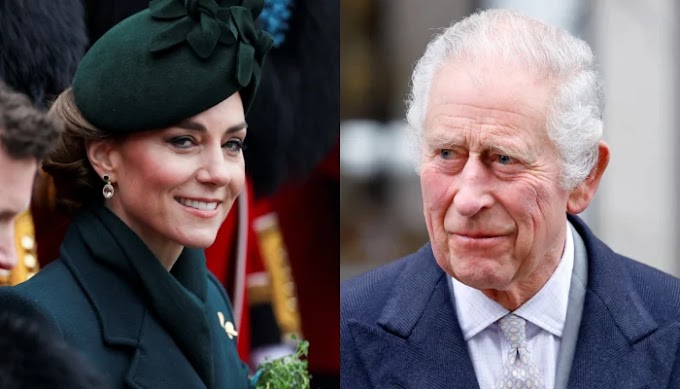
Recent polling cited in discussions around the royal family has placed William’s popularity at roughly 74 to 76 percent, ahead of King Charles, whose figure has been reported at around 62 percent.
Despite the continued debate over his workload, William’s supporters argue that his more measured approach reflects a changing style of monarchy, with greater emphasis on family life, long-term planning and carefully chosen public engagements.